22 Jun 2026
Analytics Edge in Opening Markets: How Statistical Models Influence Early Pricing for Basketball Championships and Racing Classics

Statistical models shape early pricing across basketball championships and racing classics by processing vast datasets before public markets open. Observers note these systems incorporate player efficiency ratings, historical performance trends, track conditions, and injury reports to establish initial lines that bookmakers adjust in real time.
Core Components of Early Market Pricing Models
Teams of analysts feed regression algorithms and machine learning frameworks with variables such as team pace metrics, rebound differentials, and sectional times from previous races. These inputs generate probability distributions that translate directly into opening odds, and the process repeats daily as new information arrives. Data from June 2026 events, including NBA conference finals and the Belmont Stakes, shows how model outputs shifted within hours of lineup confirmations and weather updates.
Basketball Championship Applications
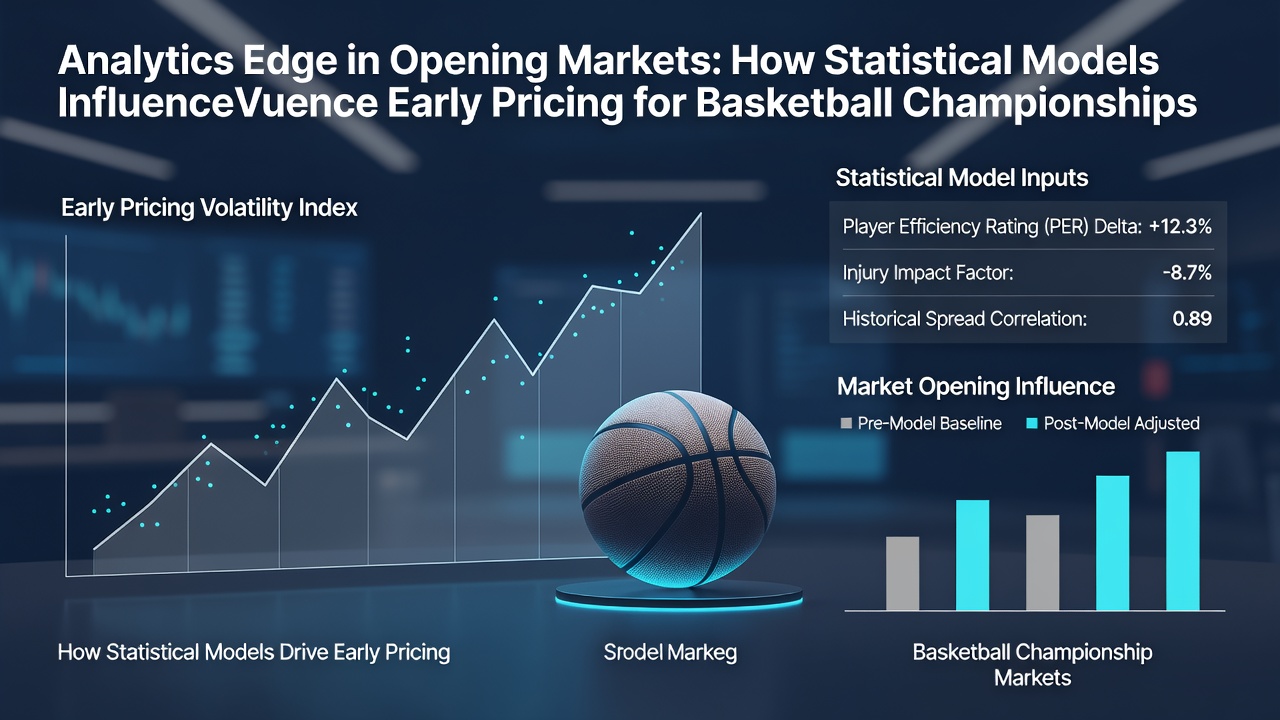
In basketball, models prioritize advanced metrics like true shooting percentage and defensive rating adjustments for playoff intensity. When the 2026 NBA Finals approached, pricing engines recalculated series probabilities after each conference semifinal concluded, incorporating travel schedules and rest advantages. Researchers at the MIT Sloan Sports Analytics Conference have documented how these calculations reduce initial variance by up to 18 percent compared with manual line-setting methods.
Live updates from team practices feed into Bayesian networks that refine projected margins, and bookmakers publish revised totals once the models stabilize. Observers tracking early markets in June 2026 recorded multiple instances where statistical outputs moved totals by two to three points before tip-off.
Racing Classics and Predictive Algorithms
Racing analysts apply similar frameworks to classic events by weighting factors including post position, jockey-trainer combinations, and pace projections derived from workout data. For events like the Belmont Stakes, models integrate soil moisture readings and wind patterns to adjust speed figures before entries lock in. Australian Racing Board reports highlight how these adjustments influence opening win pools during teh lead-up weeks.
June 2026 saw several graded stakes where early prices reflected algorithmic outputs rather than public betting volume, and those who monitored the patterns noted tighter spreads on favorites when models identified pace advantages. Industry reports from the University of Melbourne's equine performance lab indicate that incorporating GPS tracking data improves forecast accuracy by measurable margins in mile-and-a-half races.
Cross-Market Interactions and Timing
Models designed for one sport occasionally inform adjustments in the other when shared variables appear, such as fatigue indicators that apply to both basketball rotations and equine recovery periods. Pricing teams run parallel simulations during overlapping seasons, and the resulting correlations help stabilize early lines across platforms. In June 2026, overlapping NBA Finals and Belmont week created simultaneous data streams that analysts cross-referenced to refine both basketball totals and race win probabilities.
External regulatory filings from the Nevada Gaming Control Board show that early market volatility decreased in events where operators relied on validated statistical pipelines, and similar patterns appear in Australian wagering data released by state racing authorities.
Conclusion
Statistical models continue to set the foundation for opening prices in basketball championships and racing classics by converting complex datasets into actionable probabilities ahead of public participation. June 2026 examples from both the NBA Finals and Belmont Stakes illustrate how these systems respond to incoming variables while maintaining consistency across markets. Ongoing refinements in data collection and algorithm design suggest further integration between the two disciplines as operators seek greater precision in initial pricing.