31 Jul 2026
Cross-border Regulatory Shifts Reshaping Football and Tennis Market Structures at International Operators
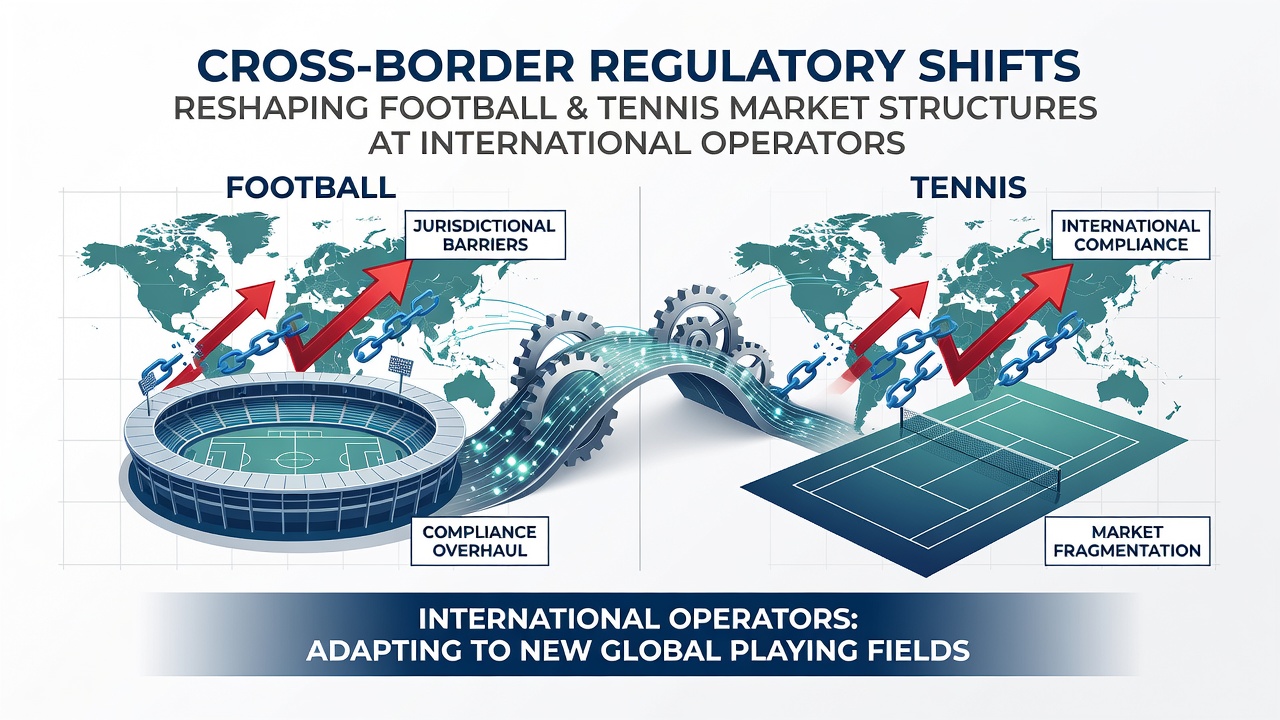
Regulatory changes across multiple jurisdictions continue to alter how international operators structure football and tennis markets, with adjustments appearing in pricing models, market availability, and licensing requirements. Data from industry reports shows operators responding to frameworks that differ by region, leading to segmented product offerings that vary for users depending on location and applicable rules. In July 2026 several updates took effect in parts of Europe and North America, prompting operators to recalibrate their football league coverage and tennis tournament odds structures to maintain compliance while preserving access.
European Framework Adjustments and Market Segmentation
European directives on cross-border data sharing and consumer protections have pushed operators to refine how they present football fixtures from domestic leagues alongside tennis grand slam events. Observers note that operators now often separate market pools by member state, with certain prop bets and live in-play options restricted or modified based on local interpretations of the rules. According to figures released by the European Commission, operators handling multi-jurisdictional traffic reported a 12 percent shift in football market depth during teh 2025-2026 season, particularly in accumulator-style products that combine matches across borders. Tennis markets followed a similar pattern, with some operators limiting set-by-set pricing in response to updated transparency mandates.
North American State-Level Variations
Across North America, state and provincial regulations create additional layers that international operators must navigate when offering football and tennis products. Canadian provincial frameworks, for instance, require specific licensing for sports wagering platforms, which has led several operators to adjust tennis odds formats for Canadian users compared to those in neighboring jurisdictions. Research from the Canadian Gaming Association indicates that football market liquidity on compliant platforms grew steadily through early 2026, while tennis live-betting options saw more selective rollout tied to individual provincial approvals. Operators have responded by creating parallel market structures that reflect these differences without disrupting overall platform operations.
Australian and Asia-Pacific Compliance Patterns
Australian regulatory bodies have introduced point-of-consumption taxes and advertising restrictions that affect how operators price football and tennis events for users in that region. Industry data reveals operators adapting by narrowing certain tennis match-winner markets and football goalscorer props to align with local advertising codes. These shifts coincide with similar moves in select Asian markets where cross-border licensing agreements dictate the types of in-play tennis data feeds operators may integrate. The result appears in streamlined offerings that maintain core football and tennis coverage yet differ in depth from European or North American versions of the same events.
Impact on International Operator Operations
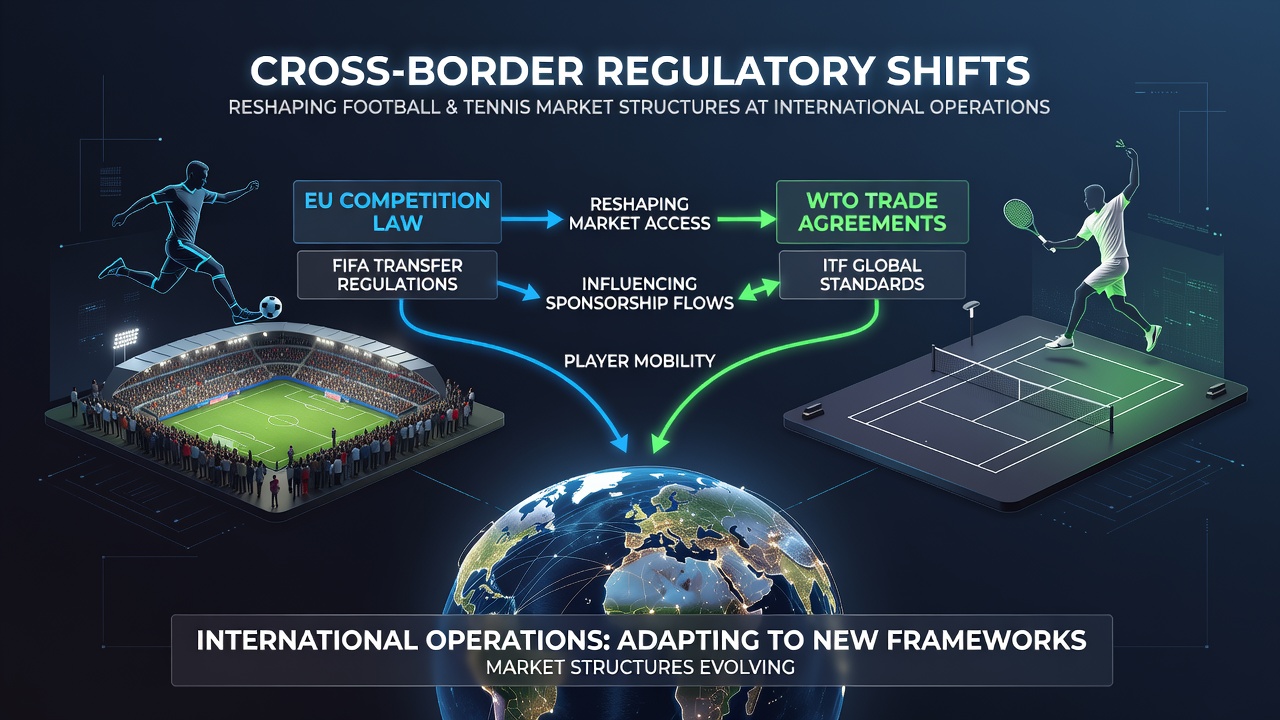
International operators managing football and tennis products across borders have invested in compliance teams and technology upgrades to handle divergent requirements. Studies from academic research centers tracking global gambling markets show increased segmentation of user interfaces, where football leagues popular in one region receive fuller market arrays than those emphasized elsewhere. Tennis coverage follows suit, with operators sometimes restricting live score integrations or cash-out features based on the regulatory environment tied to each account. These operational changes have produced platforms that deliver consistent event access while varying the underlying market architecture.
Future Trajectories for Market Structures
Additional regulatory proposals under discussion in multiple regions suggest further evolution for football and tennis offerings at international operators. Evidence from trade association reports points to continued emphasis on consumer protection measures that could influence how operators compile odds and present accumulators. Operators already demonstrate flexibility by maintaining separate compliance pathways for each major market, allowing football and tennis products to remain available while respecting jurisdictional boundaries. Data indicates this segmented approach will likely persist as new rules emerge through 2027 and beyond.
Conclusion
Cross-border regulatory shifts have produced measurable changes in how international operators construct football and tennis markets, with variations appearing across European, North American, and Asia-Pacific frameworks. Information from regulatory bodies and industry sources documents adjustments in market depth, licensing pathways, and product segmentation that operators implemented by July 2026. These developments continue to shape the structures available to users depending on location and applicable rules, reflecting ongoing adaptation rather than uniform global standards.