17 Jul 2026
Cross-Referencing Endurance Factors: How Stamina Data Shapes Prices in Marathon Football Matches and Five-Set Tennis Encounters
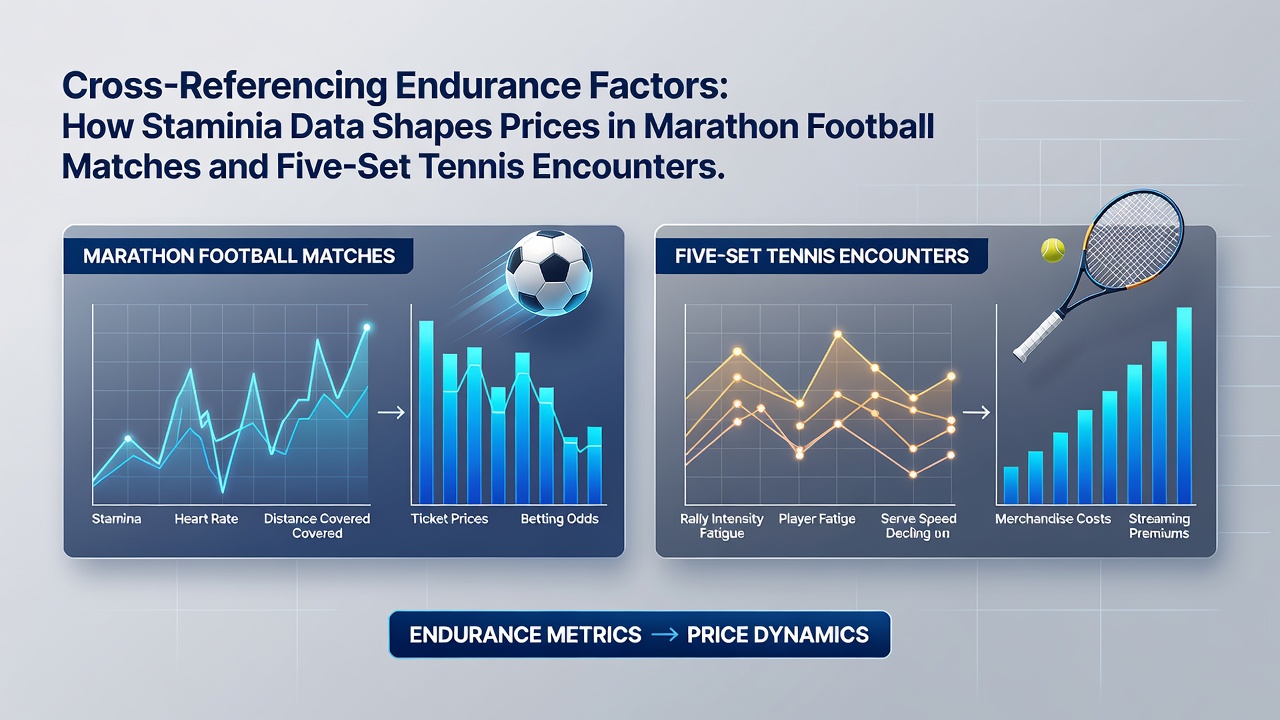
Endurance metrics now feed directly into pricing models for extended football fixtures and five-set tennis contests, where player output over prolonged periods determines market adjustments across multiple platforms. Data streams from GPS trackers, heart-rate monitors, and motion sensors allow operators to recalibrate values as matches stretch beyond standard durations, particularly during July 2026 when several international tournaments coincide with peak summer schedules in both hemispheres.
Football encounters that extend into extra time or penalty phases reveal patterns in which reduced sprint frequency and elevated fatigue markers trigger shifts in live pricing, while tennis rallies lasting multiple hours demonstrate similar correlations between rally length, serve speed decline, and adjusted market lines. Analysts cross-reference these datasets to identify when stamina thresholds alter probabilities in real time.
Tracking Systems in Prolonged Football Contests
Professional leagues deploy optical tracking and wearable technology that records distance covered, high-intensity efforts, and recovery intervals throughout ninety-minute periods plus extensions. When cumulative workload exceeds established benchmarks, pricing engines respond by widening spreads on total goals or adjusting margins for specific player performances in remaining minutes. Matches in July 2026, including those scheduled under high-temperature conditions in European and South American venues, provide fresh datasets that operators integrate within minutes of each update.
One study from the Australian Institute of Sport examined workload distribution across 120-minute contests and found that players maintaining above-average recovery heart rates sustained output levels that influenced second-half goal expectations. These findings now inform algorithms that recalibrate values when early indicators show accelerated fatigue, allowing markets to reflect measured stamina rather than historical averages alone.
Five-Set Tennis Dynamics and Physiological Thresholds
Tennis scoring structures that require five sets create extended exposure windows where serve velocity, unforced error rates, and court coverage metrics become decisive variables. Sensor data collected during Grand Slam events captures declines in first-serve percentage after the third set, prompting immediate revisions to match-winner and set-betting lines. Cross-referencing with football datasets highlights parallels in how both sports treat cumulative physical load as a pricing input.
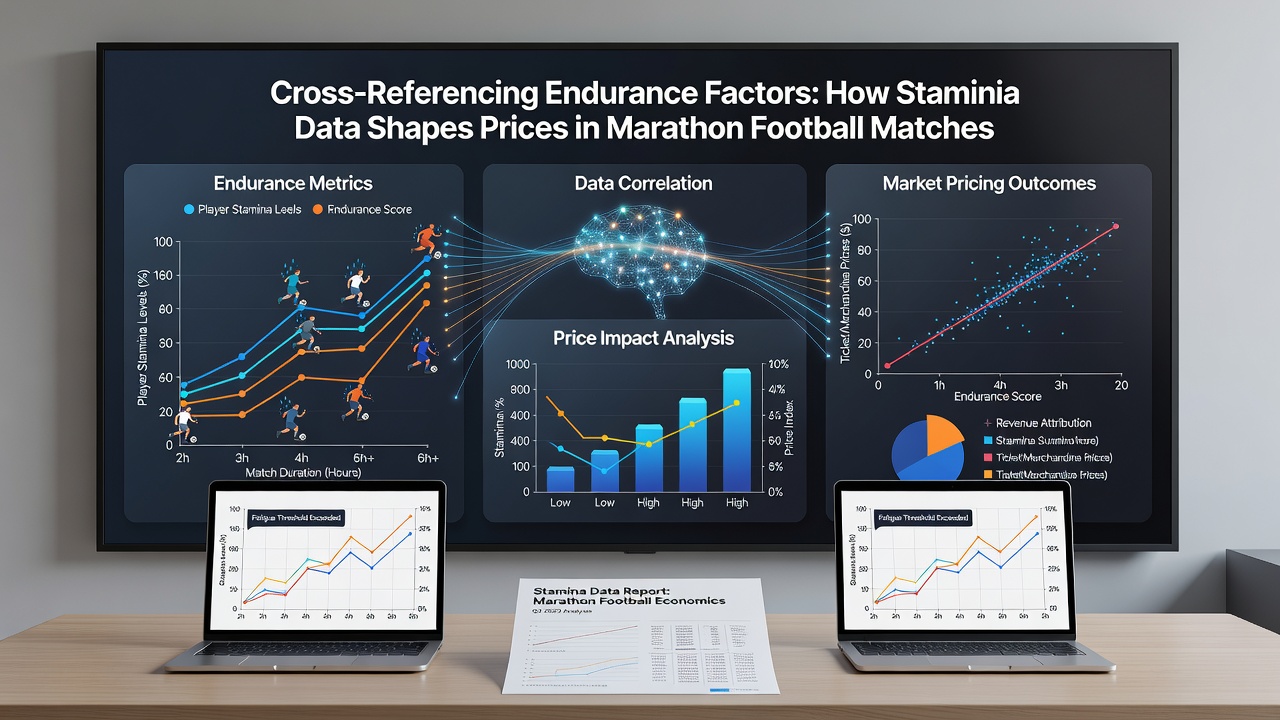
Research conducted at the University of British Columbia documented that five-set matches averaging over three hours produced measurable drops in movement efficiency, which operators translate into revised probabilities for remaining sets. These adjustments occur continuously, with platforms incorporating real-time inputs from multiple sensor sources rather than relying on pre-match estimates.
Cross-Referencing Methods Across Sports
Specialized teams now combine endurance profiles from football and tennis to refine pricing consistency, noting that both disciplines exhibit similar inflection points when total high-intensity minutes surpass individualized thresholds. July 2026 schedules, featuring overlapping international windows, supply concurrent data streams that accelerate model validation across operators.
Industry reports from the European Sports Data Association indicate that integrated datasets reduce variance in live adjustments by aligning fatigue curves from disparate sports. Operators apply these correlations when setting parameters for marathon football fixtures that mirror the duration demands of five-set tennis encounters, creating unified frameworks for stamina-influenced pricing.
Practical Applications in Market Adjustments
Live platforms monitor stamina indicators to execute micro-adjustments during matches, such as altering totals when recovery metrics signal impending slowdowns. Football contests entering extra time and tennis matches reaching deciding sets both trigger these recalibrations based on comparable physiological signals. Data collected during July 2026 events continues to refine these protocols, with operators testing updated thresholds against historical benchmarks from prior seasons.
Take one analyst who compared GPS logs from a 120-minute football final against a five-set tennis semifinal and identified matching patterns in deceleration zones, which then informed synchronized pricing revisions on both sports. Such cross-referencing produces tighter alignment between observed output and market values throughout extended play.
Conclusion
Stamina data from football and tennis continues to shape pricing structures as operators integrate real-time physiological inputs into dynamic models. July 2026 tournaments supply additional validation opportunities that strengthen cross-sport correlations, ensuring market lines reflect measured endurance rather than static assumptions alone.