20 May 2026
Examining Travel Fatigue Effects on Athlete Outputs During Extended Tennis Tours and Basketball Road Schedules Across International Venues
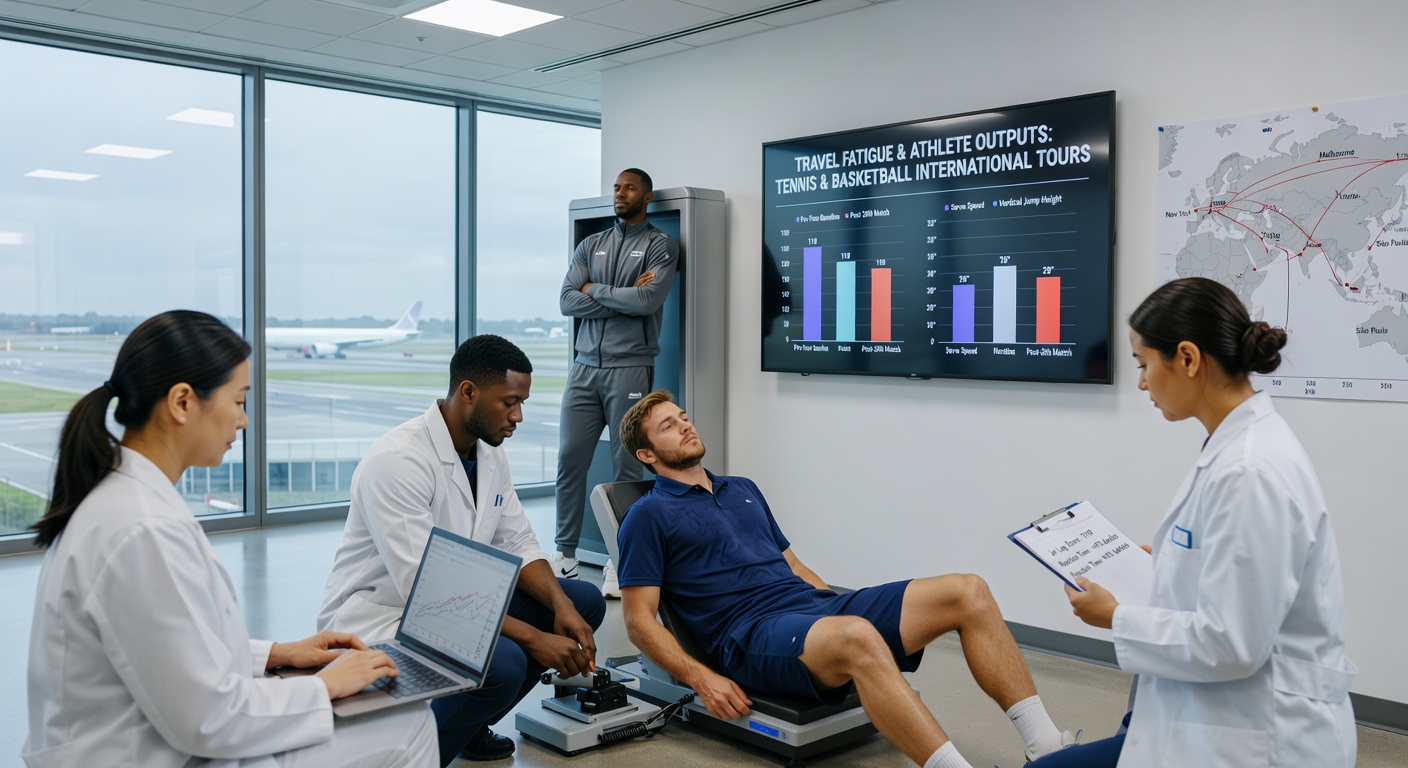
Travel fatigue emerges as a measurable factor that alters physical recovery, cognitive sharpness, and match outcomes for professional athletes who navigate packed calendars in tennis and basketball. Researchers have documented how extended flights, time zone crossings, and irregular sleep patterns accumulate across weeks or months, leading to declines in serve accuracy for tennis competitors and reduced shooting percentages among basketball players. Studies from multiple continents show that these disruptions compound when athletes move between continents without adequate rest windows, creating performance gaps that appear most clearly in later stages of tournaments or road series.
Core Mechanisms Behind Travel Fatigue in Elite Sports
Jet lag and cumulative sleep debt form the primary pathways through which travel erodes athletic capacity, according to data compiled by the Sports Science Institute. Circadian misalignment shifts core body temperature rhythms and hormone release, which in turn slows reaction times and impairs muscle recovery. Tennis players crossing multiple zones often report diminished first-serve percentages after overnight flights, while basketball athletes experience elevated error rates in transition plays during the first two games of extended road trips. Observers note that these effects intensify when humidity, altitude, and venue acoustics differ sharply from an athlete's home training environment.
Patterns Observed in Tennis Tours
Grand Slam circuits and ATP World Tour events require players to traverse Europe, North America, Asia, and Australia within short intervals. Data collected during the 2025 season and projected into May 2026 schedules indicate that athletes who compete in both the Australian Open and subsequent clay-court swing frequently log more than 30 hours of flight time within six weeks. Performance metrics reveal drops in rally endurance and second-serve consistency during the second week of such blocks, particularly when matches extend past two hours. Those who studied these trends found that younger players recover faster physiologically, yet even veterans display measurable increases in unforced errors when sleep cycles remain disrupted for consecutive nights.
Basketball Road Schedules and Performance Metrics
NBA and EuroLeague teams face comparable demands when they embark on multi-city road trips that span several time zones. League tracking data shows that teams playing four games in five nights across two continents post lower field-goal percentages in the fourth quarters of later contests. Back-to-back games after transatlantic travel produce the steepest declines, with three-point accuracy falling by noticeable margins according to season-long analyses. Researchers discovered that players assigned heavy minutes in these stretches also register higher rates of late-game turnovers, a pattern that repeats across both conference and international schedules.
International Venue Variables That Amplify Fatigue
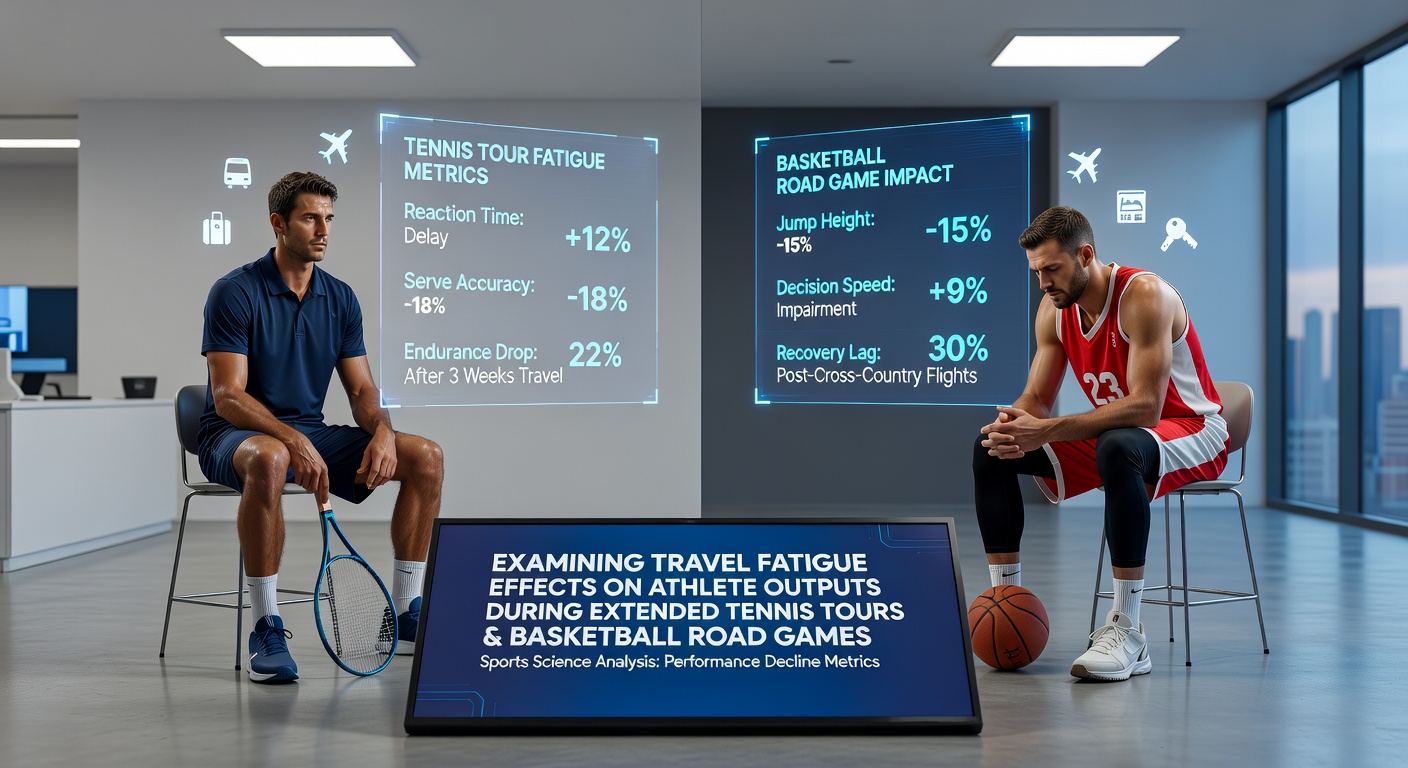
Venues in different regions introduce additional stressors beyond flight duration. High humidity in Southeast Asian tennis stops accelerates dehydration, while dry indoor arenas in North American basketball markets can alter respiratory patterns during high-intensity bursts. Altitude changes in cities like Mexico City or Denver further tax cardiovascular systems already taxed by travel. Studies conducted by European sports medicine groups have tracked how these combined factors extend recovery timelines, sometimes stretching beyond 72 hours before baseline neuromuscular function returns. Athletes who adapt training loads upon arrival show steadier outputs across subsequent matches, yet many schedules leave little margin for such adjustments.
Recovery Protocols and Scheduling Considerations
Teams and individual athletes employ targeted strategies to blunt travel effects, including timed light exposure, strategic napping, and adjusted training intensities upon landing. Data from Australian performance institutes indicate that structured sleep hygiene programs reduce the duration of performance dips following long-haul journeys. In May 2026, several tennis tournaments and basketball leagues are exploring extended rest periods between certain international legs to test whether these interventions produce measurable improvements in late-tournament outputs. Coaches monitor heart-rate variability and subjective wellness scores to decide when to reduce practice volume, allowing athletes to regain sharpness before critical matches.
Conclusion
Travel fatigue continues to shape outcomes across professional tennis tours and basketball road schedules as calendars grow more demanding. Objective measurements from performance tracking systems confirm that sleep disruption, circadian shifts, and environmental changes each contribute to altered outputs, though mitigation techniques can narrow the gaps. Continued monitoring through 2026 and beyond will clarify how scheduling adjustments and recovery science interact to support sustained athlete performance across continents.