8 Jul 2026
Social Sentiment Analysis: Decoding Twitter Trends to Forecast Shifts in Basketball and Football Betting Prices
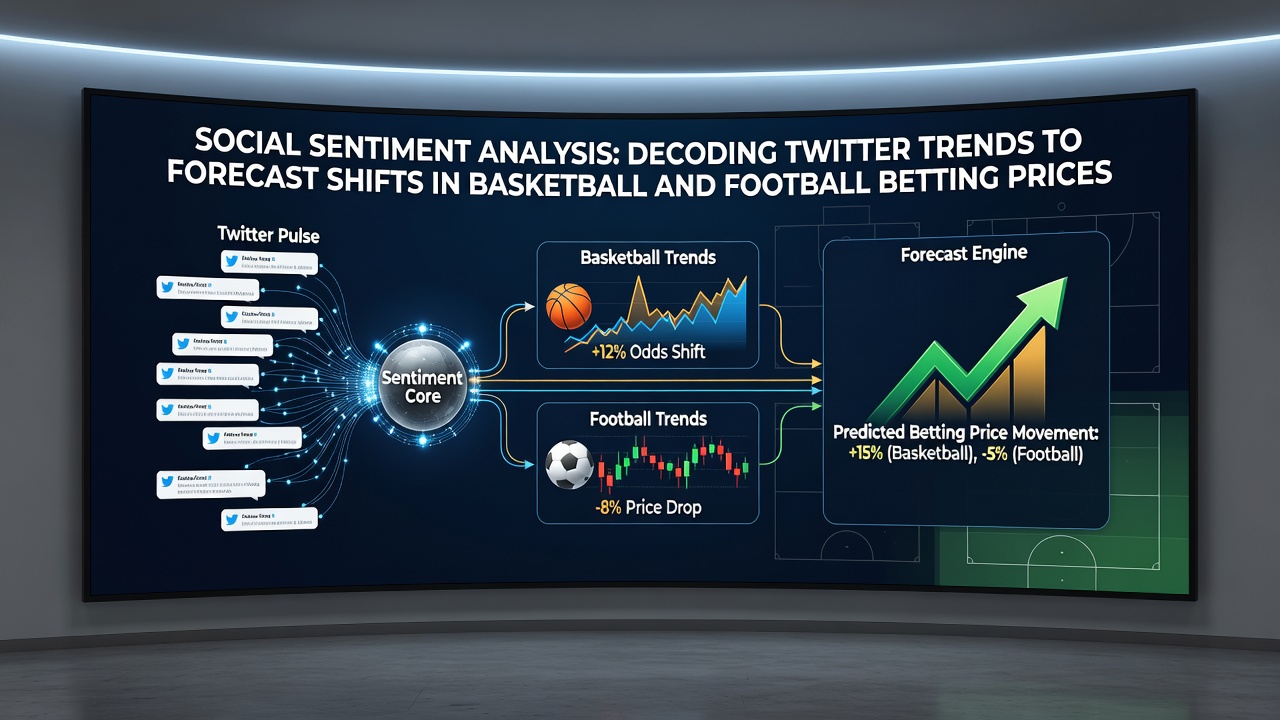
Markets for basketball and football betting prices respond to public conversation patterns that emerge on Twitter, and analysts apply social sentiment analysis to measure those patterns in real time. The technique processes large volumes of posts through natural language processing models that classify expressions as positive, negative, or neutral, then correlates the resulting scores with movements in bookmaker odds across major leagues.
How Sentiment Tools Process Twitter Data
Algorithms scan millions of tweets daily for keywords tied to player injuries, team lineups, and match outcomes while they adjust for sarcasm and context through machine learning layers. Data from July 2026 showed increased tweet volume around NBA Summer League games in Las Vegas, where early positive mentions of rookie performances preceded measurable tightening in futures markets offered by several operators. Researchers at institutions such as the University of Sydney have documented similar correlations in earlier seasons, confirming that aggregated sentiment scores often precede odds adjustments by several hours.
Bookmakers integrate these signals into their pricing engines alongside traditional factors such as injury reports and historical performance metrics. When negative sentiment spikes around a star player in the English Premier League, for instance, away-team totals frequently shift within the same trading session.
Applications in Basketball Markets
Basketball presents distinct advantages for sentiment tracking because games occur at high frequency and generate immediate reaction on social platforms. During the 2026 summer period, analysts tracked Twitter activity surrounding Las Vegas Summer League contests and noted that teams receiving above-average positive mentions experienced subsequent compression in spread lines the following day. Observers note that volume spikes after buzzer-beater wins often align with increased betting interest on player props for the next scheduled contest.
Real-time dashboards used by professional syndicates combine sentiment indices with betting exchange liquidity data, allowing them to identify discrepancies before traditional media outlets publish injury updates. This approach has proven effective in both NBA and EuroLeague fixtures, where language patterns in multiple languages require multilingual models to capture accurate signals.
Football Betting and Social Signals
Football markets move on longer cycles than basketball, yet Twitter sentiment still registers ahead of line changes during transfer windows and pre-season friendlies. In July 2026, discussions around incoming players at several Premier League clubs preceded adjustments in goalscorer markets, with positive sentiment clusters correlating to shorter odds within 48 hours. Those who monitor these platforms report that neutral or mixed sentiment periods produce fewer reliable signals, which encourages operators to weight volume thresholds more heavily during quieter periods.
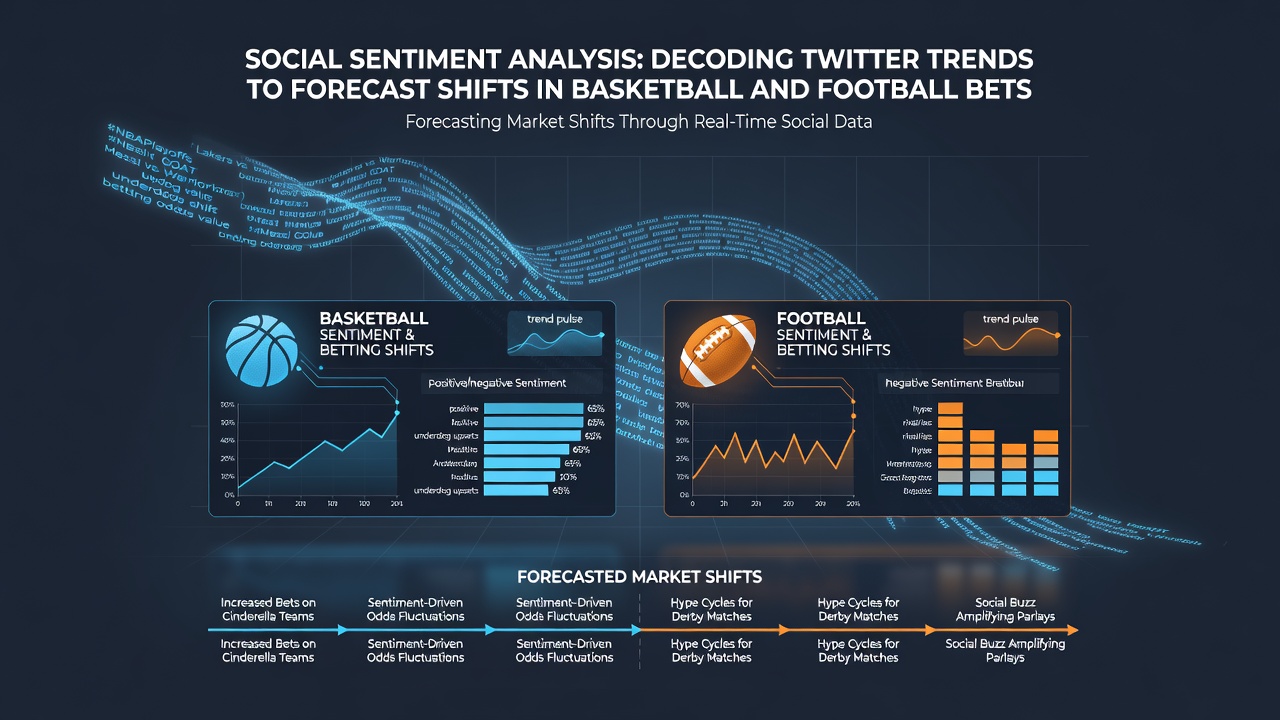
European regulatory bodies such as the Northern Territory Racing Commission have referenced the growing use of social data in compliance reports, noting that licensed operators must maintain records of data sources used for pricing decisions. Australian research groups have published findings showing that sentiment-driven models improve forecast accuracy for live totals when combined with on-field statistics.
Case Examples from Mid-2026
One documented instance involved a sudden surge in negative tweets regarding a key defender ahead of a Champions League qualifier, after which several bookmakers widened the over/under line by half a goal within four hours. Similar patterns appeared in NBA summer league markets where positive sentiment around an undrafted player coincided with the introduction of new prop markets at reduced limits. These shifts occurred while traditional news cycles lagged behind social discussion by several hours.
Industry reports from the National Council on Problem Gambling in the United States indicate rising interest among operators in sentiment monitoring tools, though the reports emphasize the need for transparent methodologies when such data influences customer-facing prices.
Limitations and Data Quality Considerations
Sentiment analysis faces challenges from coordinated posting campaigns, bot activity, and regional language differences that can distort aggregate scores. July 2026 data sets revealed that English-language posts dominated discussions of Premier League clubs while Spanish and Italian accounts drove more conversation around La Liga and Serie A fixtures. Analysts therefore apply geographic filters and account verification layers to reduce noise before feeding scores into pricing models.
Multiple studies confirm that sentiment alone rarely determines final odds movements, since bookmakers also incorporate betting volumes, liability management, and sharp money indicators. The most effective applications combine Twitter-derived metrics with these established data streams rather than treating social signals as standalone predictors.
Conclusion
Social sentiment analysis provides measurable inputs that operators and bettors use to anticipate price adjustments in basketball and football markets. The approach relies on continuous data processing, multilingual classification, and integration with existing statistical models. As platforms refine their algorithms and regulatory frameworks evolve, the role of Twitter-derived signals in odds forecasting continues to expand across major leagues worldwide.